
Fast, Affordable Auto Glass Repair — We Come to You in Covington & Conyers
- Technology Calibration Is About Accuracy, Not Repair
- Why Technology Drifts Out of Calibration Over Time
- Warning Signs That Your Technology May Need Calibration
- How do I know if my car needs ADAS calibration after a windshield replacement?
- Does Covington’s weather affect how often sensors drift out of calibration?
- What is a common misconception about technology calibration?
- Can a minor fender bump near a parking lot in Covington knock sensors out of alignment?
- What is the difference between a calibration problem and an actual sensor failure?
- How long does a technology calibration appointment typically take?
Technology Calibration Is About Accuracy, Not Repair
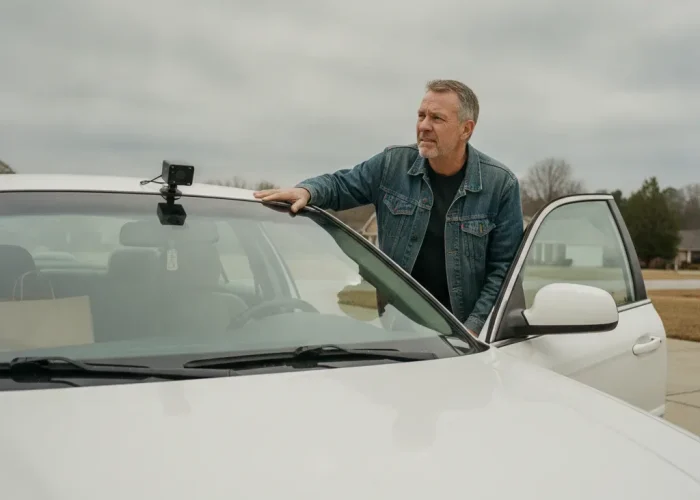
Here’s something most people don’t realize until it’s too late. Technology calibration isn’t about fixing a broken component. It’s about making sure your vehicle’s safety systems work exactly as the manufacturer intended. Think about it like this. Your car’s windshield has a small camera mounted behind it. That camera watches the road ahead. It reads lane markings, spots other cars, and measures distances. Your vehicle’s Advanced Driver Assistance Systems, or ADAS, depend on that camera seeing everything just right. If the camera’s angle is off by even a tiny amount, the whole system gives bad information.
That’s where technology calibration comes in.
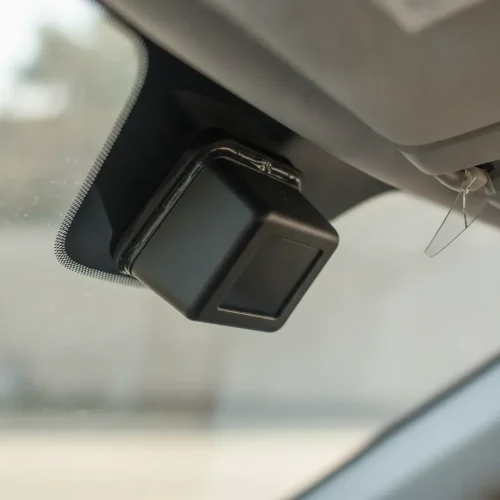
Calibration is the process of resetting and aligning sensors so they read the world correctly. It’s not a repair. In most cases, nothing is broken and no parts need to be replaced. The sensors simply need to be recalibrated so they can accurately interpret the road. The sensors just need to be told where they are and how to look at things again. We see this confusion all the time with customers in Covington who come in after a windshield replacement. They think the job is done once the new glass is in. But the camera behind that windshield needs ADAS calibration before those safety features work right again.
Your car might have several systems that rely on calibrated sensors:
- Forward collision warning that alerts you before a crash
- Lane departure warning that nudges you back into your lane
- Automatic emergency braking that stops the car for you
- Adaptive cruise control that adjusts speed based on traffic
Every one of those features reads data from sensors. And every one of them can give wrong data if calibration is off. A study from AAA found that a windshield camera misaligned by just one degree could miss a target by several feet at highway speeds. That’s the difference between a safe stop and a collision.
So why does this come up with auto glass? Because the camera sits right on your windshield. When you get a windshield replacement, that camera gets removed and reinstalled. Even if the new glass is perfect, the camera’s position has changed. It needs technology calibration to match the vehicle’s original settings.
We handle this regularly for drivers across Covington. Someone comes in for a rock chip repair or a full windshield replacement, they don’t even know their car has ADAS features. But most vehicles made after 2016 have at least one camera or sensor tied to the windshield. Skipping calibration after glass work means driving with safety systems that can’t do their job.
You’re driving along I-20 near Covington Square when the vehicle ahead suddenly brakes. A car ahead brakes suddenly. Your forward collision system is supposed to warn you. But the camera angle is slightly off from last month’s windshield replacement, the system doesn’t register the danger in time. That’s not a malfunction. It’s a calibration problem.
And here’s the thing that surprises people most. Your dashboard won’t always tell you something’s wrong. Some vehicles show a warning light after glass work. Many don’t. The system just quietly gives bad readings without any alert.
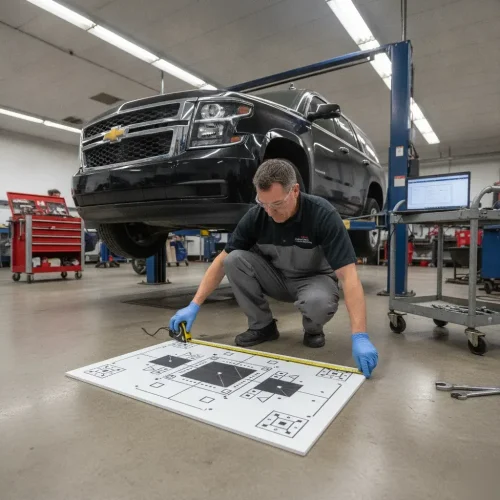
Technology calibration brings everything back to factory-level accuracy. It uses specific targets and software to retrain the camera. The process is precise, usually taking 30 to 60 minutes depending on your vehicle. But those minutes matter more than most people think.
If you’ve had any glass work done recently, or you’re planning to, our team can walk you through what your specific vehicle needs. Check out our auto glass and ADAS calibration services to see how we handle this for Covington drivers every day.
We see this all the time with customers in Covington. They get a windshield replacement or a minor fender repair, they drive away feeling great. Then weeks later, a lane departure warning fires off for no reason. Or the automatic braking system begins reacting unpredictably while driving through Covington or along I-20. The technology drifted out of calibration, and most people don’t realize it until something feels off.
Road Conditions and Daily Wear
Every bump, pothole, and speed bump shifts things by tiny amounts. We’re talking fractions of a degree. That sounds small. But a forward-facing camera that’s off by just one degree can misread the road by several feet at highway speed. According to AAA, even minor misalignment of ADAS sensors can cause safety systems to give false warnings or fail to activate when needed.
Covington roads handle heavy rain and temperature swings throughout the year. Heat makes metal and plastic expand. Cold makes them contract. That cycle repeats hundreds of times, and mounting brackets slowly shift position. The sensor that was dead-center last spring might be slightly tilted by fall.
Windshield and Glass Replacement
This is the big one. Your windshield isn’t just glass. It’s a mounting surface for cameras that control automatic braking, lane keeping, and adaptive cruise control. When you get a windshield replacement, that camera gets removed and reinstalled. Even with careful work, the new glass sits differently than the original.
That’s why ADAS calibration is a required step after any windshield replacement on vehicles with forward-facing cameras. Skip it, and the system could misjudge distances or fail to detect obstacles. We perform ADAS calibration as part of our windshield replacement services because it’s an essential step in restoring your vehicle’s safety systems.
Collisions and Body Work
Even a low-speed parking lot bump can knock sensors out of alignment. Radar units mounted behind bumpers are especially vulnerable. A rear-end tap at five miles per hour can shift a blind spot monitor enough to create a gap in coverage. And side impacts can move sensors tucked inside mirror housings or door panels.
Body shops fix the dents. But they don’t always recalibrate the technology hidden behind those panels. That’s a gap most people never think about.
Age and Vibration
Vehicles vibrate constantly. Engine vibration, road vibration, bass from your speakers. Over thousands of miles, those small vibrations loosen mounting hardware. Adhesives weaken. Plastic clips fatigue and crack. The sensor that was rock-solid at 10,000 miles might have a slight wobble at 60,000.
Here’s what causes technology to drift out of calibration over time:
- Road impacts from potholes, speed bumps, and rough surfaces
- Temperature changes that expand and contract mounting materials
- Glass replacement that repositions camera mounting surfaces
- Minor collisions that shift bumper-mounted radar units
- Long-term vibration that loosens brackets and adhesives
The tricky part is that drift happens gradually. Your car doesn’t throw a warning light every time a sensor moves a fraction of a degree. It just quietly becomes less accurate. By the time you notice something wrong, the calibration could be way off.
That’s exactly why routine calibration checks matter after any glass work or body repair. If you’ve recently had a windshield replacement or side window replacement in Covington, it’s worth confirming your sensors are still reading the road correctly. Our team can walk you through what your vehicle needs.
Warning Signs That Your Technology May Need Calibration
Most people don’t realize their vehicle’s safety systems are off until something scary happens. A lane departure warning that fires for no reason. A forward collision alert that goes off on an empty road. These aren’t random glitches. They’re signs your technology needs calibration.
Your car’s ADAS sensors and cameras rely on precise alignment. Even a small shift can cause big problems. And the tricky part is that some warning signs are subtle.
Here are the most common red flags we see from Covington drivers:
- Your lane keep assist pulls you toward the wrong side of the lane or activates on straight roads
- Adaptive cruise control brakes hard when no vehicle is ahead of you
- The forward collision warning light stays on or triggers at odd times
- Blind spot monitors miss cars that are clearly next to you
- A dashboard warning icon appears after a windshield replacement or minor fender repair
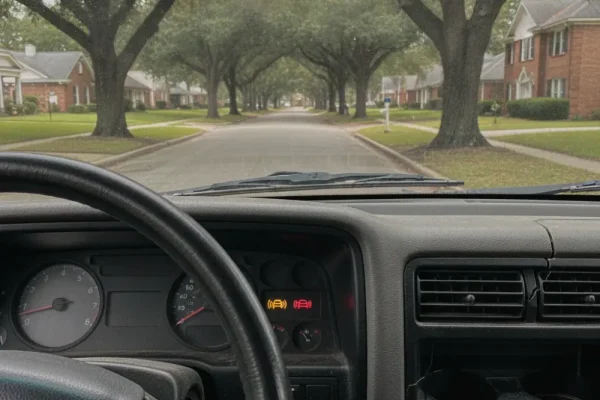
Not every sign is a flashing dashboard light. Sometimes it’s just a feeling. Your automatic emergency braking seems slower to react. Your parking sensors beep at phantom objects. Or your rain-sensing wipers activate unexpectedly on a dry afternoon while driving around Covington.
Have you noticed your car drifting slightly even with hands on the wheel? That could be a calibration issue rather than an alignment problem. Many drivers in Covington spend money on tire alignments first. Then they find out the real cause was an uncalibrated camera.
Another scenario we run into regularly: a driver hits a pothole or curb. No visible damage. But a radar sensor behind the bumper shifts just enough to send bad data. The car still drives fine, so nobody checks. Weeks later the adaptive cruise control starts acting unpredictable.
Why You Shouldn’t Wait
Ignoring these signs puts you and your passengers at risk. According to the Insurance Institute for Highway Safety, vehicles with properly functioning forward collision warning systems reduce rear-end crashes by 27 percent. That stat only holds when the technology is calibrated correctly.
A miscalibrated system is worse than no system at all. It gives you false confidence. You trust the car to warn you or brake for you, but the sensors are pointing in the wrong direction.
So if anything feels off after a windshield replacement, a fender bender, or even a rough stretch of road, don’t brush it off. Your instinct is probably right.
And here’s something most people skip: even if no warning light comes on, calibration can still be needed. Not every vehicle triggers a dashboard alert when sensors drift out of spec. Some systems just quietly underperform. That’s why professional calibration is recommended even when no warning light appears.
If you’ve noticed any of these signs, our team can help. Visit our ADAS calibration service page to learn how we handle the process right here in Covington. Quick, accurate, and done with the right equipment.
Not every sign is a flashing dashboard light. Sometimes it’s just a feeling. Your automatic emergency braking seems slower to react. Your parking sensors beep at phantom objects. Or your rain-sensing wipers activate on a dry afternoon near the Bogue Falaya trailhead.
Have you noticed your car drifting slightly even with hands on the wheel? That could be a calibration issue rather than an alignment problem. Many drivers in Covington spend money on tire alignments first. Then they find out the real cause was an uncalibrated camera.
Another scenario we run into regularly: a driver hits a pothole or curb. No visible damage. But a radar sensor behind the bumper shifts just enough to send bad data. The car still drives fine, so nobody checks. Weeks later the adaptive cruise control starts acting unpredictable.
Why You Shouldn’t Wait
Ignoring these signs puts you and your passengers at risk. According to the Insurance Institute for Highway Safety, vehicles with properly functioning forward collision warning systems reduce rear-end crashes by 27 percent. That stat only holds when the technology is calibrated correctly.
A miscalibrated system is worse than no system at all. It gives you false confidence. You trust the car to warn you or brake for you, but the sensors are pointing in the wrong direction.
So if anything feels off after a windshield replacement, a fender bender, or even a rough stretch of road, don’t brush it off. Your instinct is probably right.
And here’s something most people skip: even if no warning light comes on, calibration can still be needed. Not every vehicle triggers a dashboard alert when sensors drift out of spec. Some systems just quietly underperform. That’s the part.
If you’ve noticed any of these signs, our team can help. Visit our ADAS calibration service page to learn how we handle the process right here in Covington. Quick, accurate, and done with the right equipment.
Frequently Asked Questions
Common questions about What Is Technology Calibration? A Complete Beginner’s
Guide in Covington.
How do I know if my car needs ADAS calibration after a windshield replacement?
If your vehicle was manufactured after 2016, there's a good chance it requires ADAS calibration after a windshield replacement. Many modern vehicles have one or more cameras mounted to the windshield that support safety features like lane departure warning, forward collision warning, and automatic emergency braking. When the windshield is replaced, the camera's position can change slightly. Even if your dashboard doesn't display a warning light, the system may still provide inaccurate readings. If you're unsure whether your vehicle requires calibration, our technicians can verify your vehicle's manufacturer requirements before completing the installation.
Does Covington's weather affect how often sensors drift out of calibration?
Yes. Georgia's heat, humidity, and seasonal temperature changes can contribute to sensor drift over time. Metal brackets and plastic mounting components naturally expand and contract as temperatures change, which can slightly affect camera or radar alignment. While weather alone doesn't usually require calibration, it can contribute to gradual changes over time—especially when combined with rough roads, potholes, or everyday driving. If you notice unexpected lane departure alerts or unusual adaptive cruise control behavior, it's worth having your ADAS system inspected.
What is a common misconception about ADAS calibration?
One of the biggest misconceptions is that calibration means something is broken. In reality, ADAS calibration is about restoring accuracy—not repairing damaged components. Your cameras and sensors may still be working properly, but if they're slightly out of alignment, they can provide incorrect information to your vehicle's safety systems. Calibration simply realigns those systems so they perform the way the manufacturer intended.
Can a minor fender bender or parking lot accident knock sensors out of alignment?
Yes. Even a low-speed collision can shift radar sensors, blind spot monitors, or forward-facing cameras out of alignment. Many ADAS components are mounted behind bumpers, inside mirrors, or attached to the windshield, making them sensitive to impacts that may not cause obvious damage. After any collision, body repair, or windshield replacement, it's a good idea to have your vehicle's ADAS system inspected and calibrated if necessary.
What is the difference between a calibration problem and a sensor failure?
A calibration problem means the sensor is functioning correctly but is no longer properly aligned. A sensor failure means the hardware itself has stopped working or has been damaged. Calibration issues are corrected by precisely realigning and recalibrating the existing sensor, while failed sensors typically require replacement. Many ADAS issues following windshield replacement or minor collisions are calibration-related rather than hardware failures, making a proper diagnosis an important first step.
How long does an ADAS calibration appointment take?
Most ADAS calibration appointments take 30 to 60 minutes, depending on the make and model of your vehicle. Some vehicles require static calibration, which uses specialized targets inside the shop, while others require dynamic calibration, which involves driving the vehicle under specific conditions. Certain vehicles require both procedures. Although the process is precise, it's an important step in restoring your vehicle's factory safety systems after windshield replacement or collision repair.
Ready to Get Started?
Get A Free Quote! Call 678-929-9566 today.